
Ever since the announcement of the new Olympus OM-D EM-1 Mark ll I’ve received a great deal of questions about how this camera will work with the Panasonic Leica 100-400mm zoom. Thankfully, I finally received the new Olympus, and this last week I spent time at Bosque del Apache NWR shooting the combination. Overall, the combination seems quite positive though there is one known issue we’ll discuss.
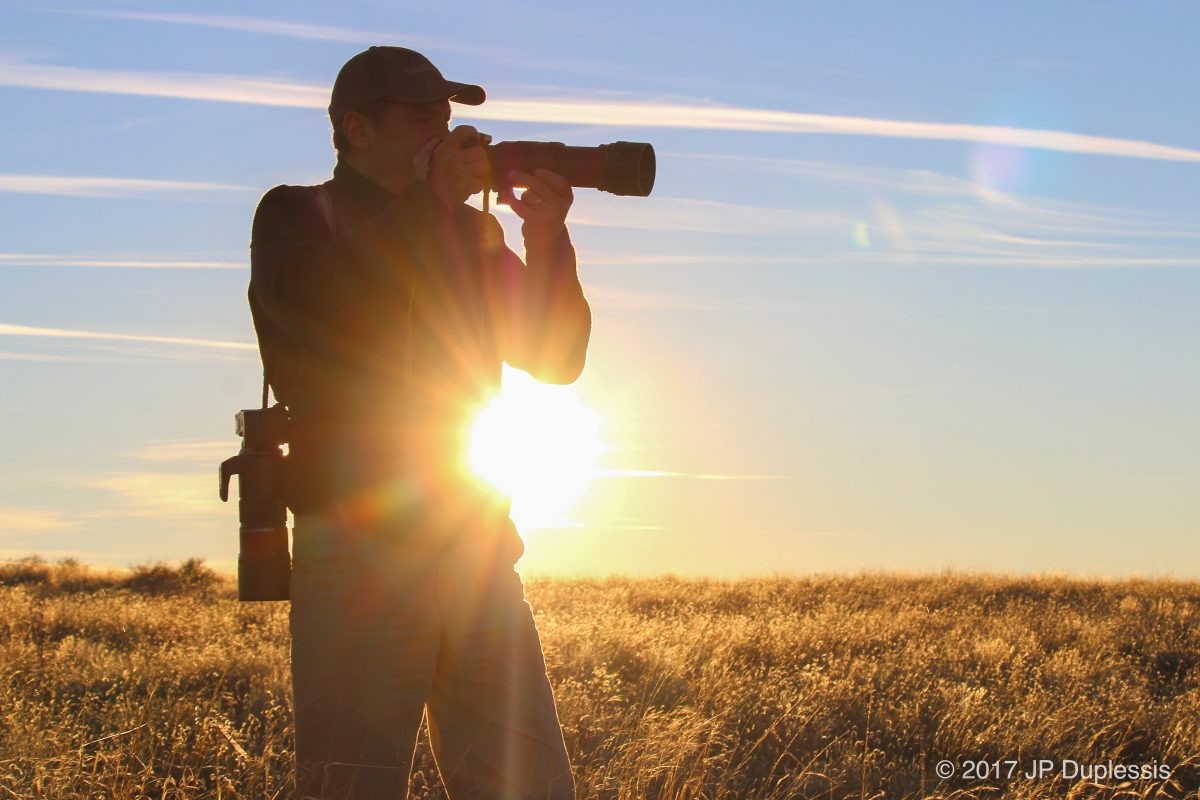
Dan shooting the Lumix G85 with the Leica 100-400mm as well as having the new Olympus OM-D EM-1 with 300mm F/4 hanging off his shoulder. Photo courtesy of my Mylio.com buddy JP Duplessis
This is not an extensive review on the new Olympus camera or the Leica 100-400mm zoom. It’s quite simply a short report on what I experienced during a shoot that contained subject matter I would most typically want to use this combination of camera and lens on, flying birds and general wildlife.
AF Settings For Birds In Flight
Since this was the first time using this new body I decided to keep the AF settings simple. Like all options on the pro version Olympus cameras, there are a myriad of ways to setup the AF. I choose settings, AF-C with the FPS set to Sequential High, that are virtually identical to what I used to set on my Nikons. I did not use AF Tracking though I hope to give that a try in the future.
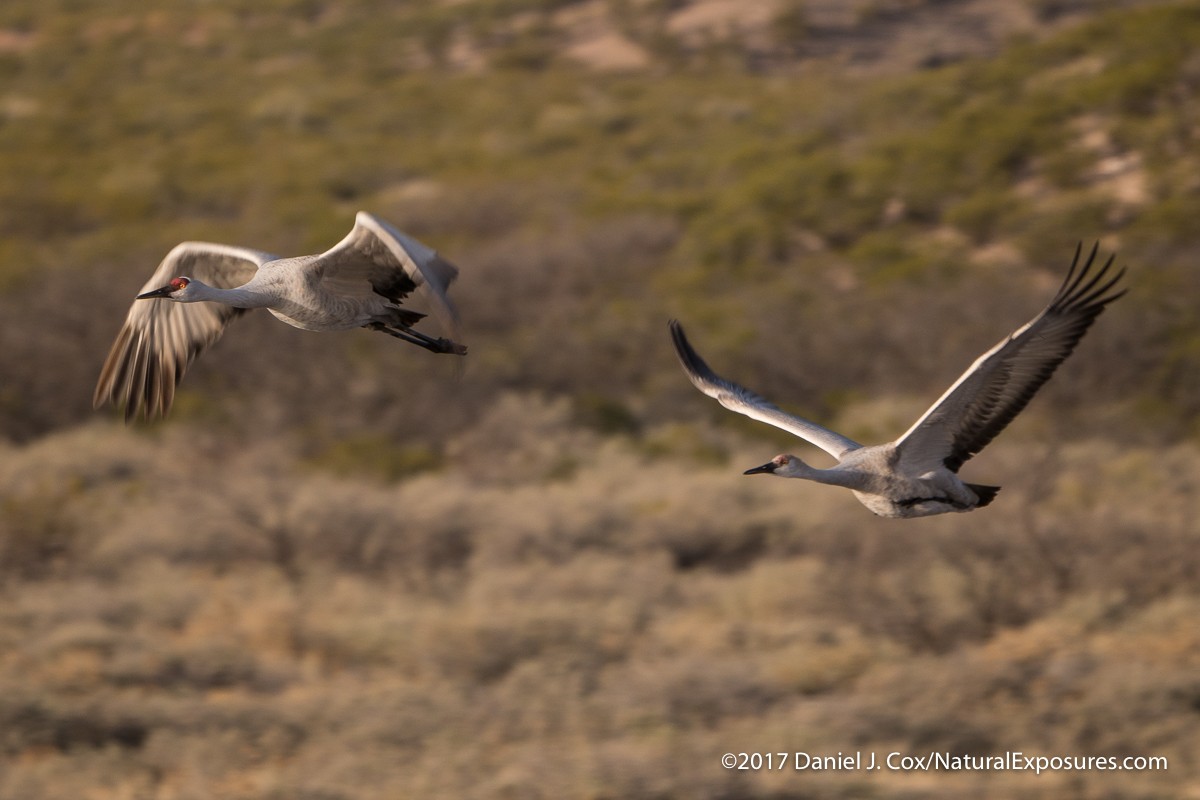
A pair of sandhill cranes lift off from the small lake and head out to feed. Photo shot with the Olympus OM-D EM-1 Mark ll and the Leica 100-400mm zoom at 400mm (800mm equivalent)
None of the examples I will be sharing are what I would consider perfect for showing how this camera can track a moving subject coming straight at the camera. We’ll have to wait for the Speeding Pooch Test for that kind of information. That I hope to do within the next 30 days.
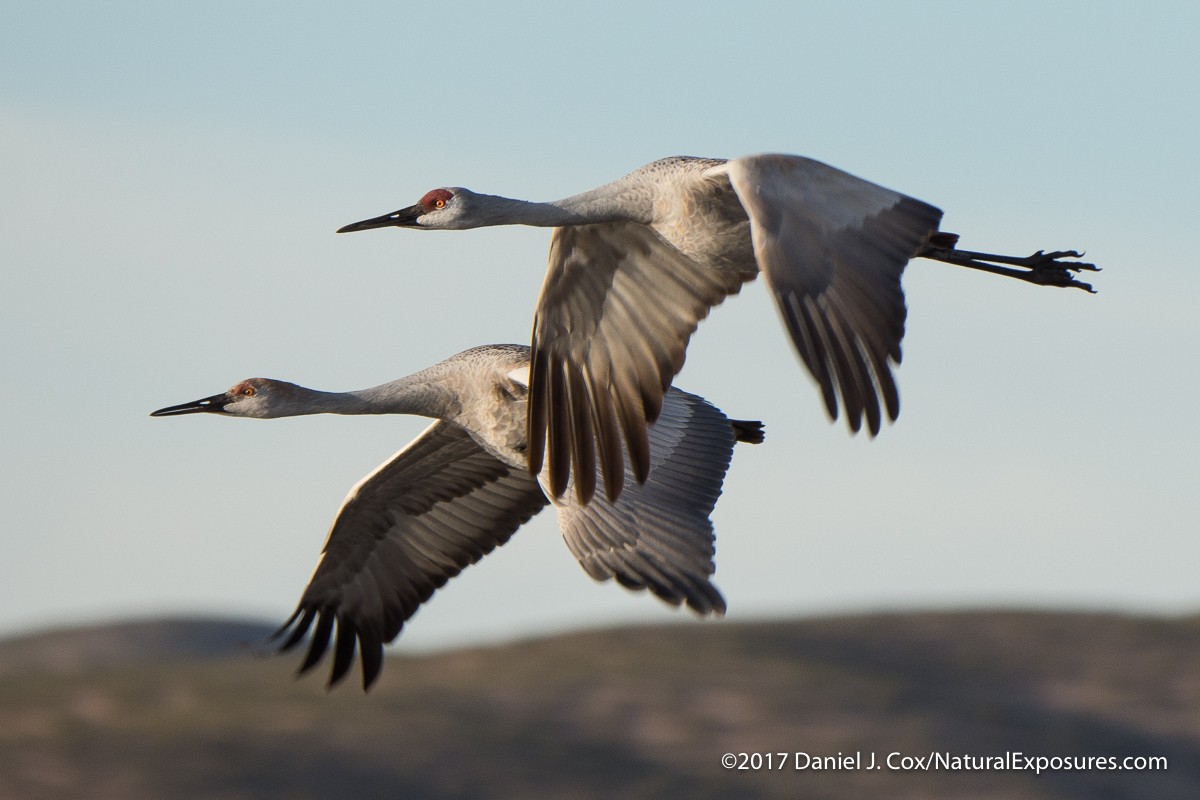
A pair of sandhill cranes in flight heading out to feed. Photo shot with the Olympus OM-D EM-1 Mark ll with Leica 100400mm zoom at 400mm (800mm equivalent)
However, I do think the samples I’m sharing will show this camera and lens combination performs relatively well in a situation—bird’s flight—that is typically about as difficult as many will ever try to shoot. Think of this as being the worse case scenario and everything else should be mostly a piece of cake.
AF Pattern Selection
On this particular shoot I used a group of nine spots, all placed in the center of the frame for the AF target. On the new Olympus you an select 1, 5, 9 or the entire screen. There may be more options but these are the ones that came up and were offered when I pushed the AF Selection Fn1 button on the upper right corner of the rear of the camera.
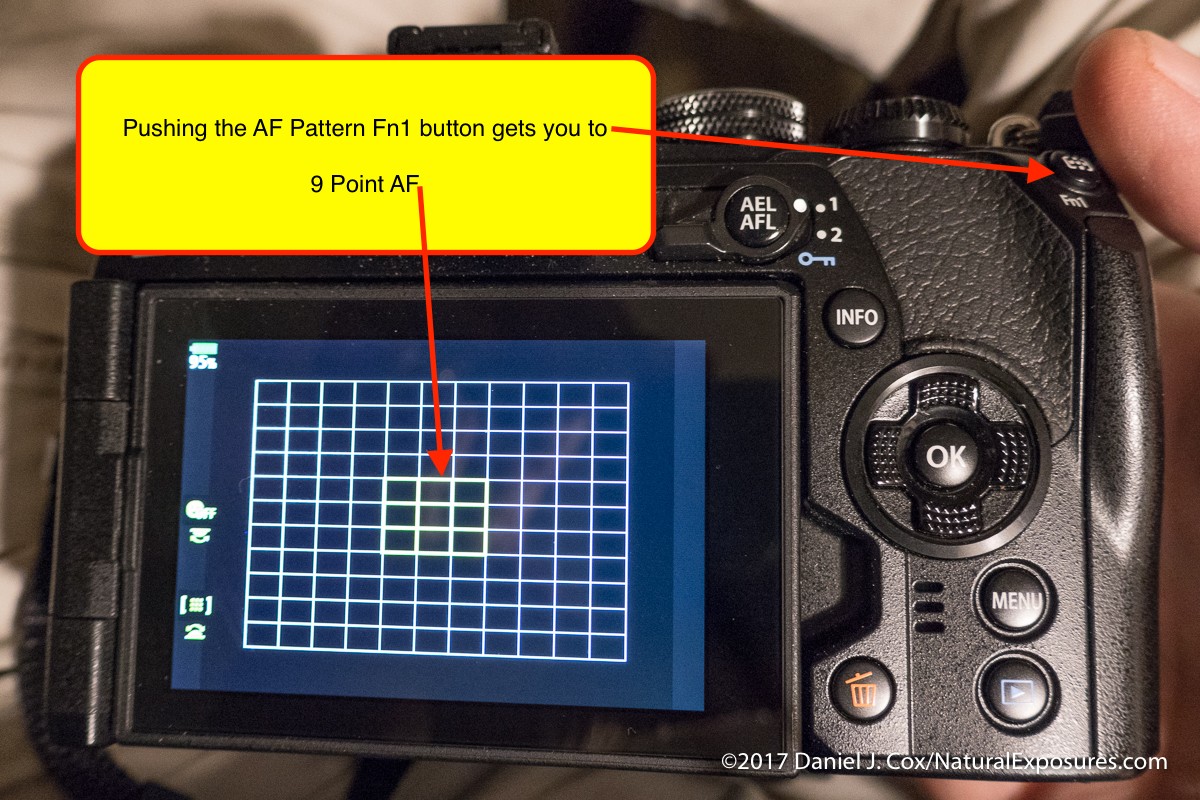
AF pattern on rear LCD
Known Issue With AF Limiter
A known issue that is being discussed across the Internet relates to a problem with the 100-400mm AF Limiter being set to anything other than FULL. There are only two positions on the 100-400mm AF Limiter, one is FULL and the other is 5M-Infinity. If the lens is set to 5m-Infinity, the lens locks up and the IS does some strange vibrations. Not sure what is going on but most likely this will be fixed with a firmware update to either the camera or the lens or possibly both.
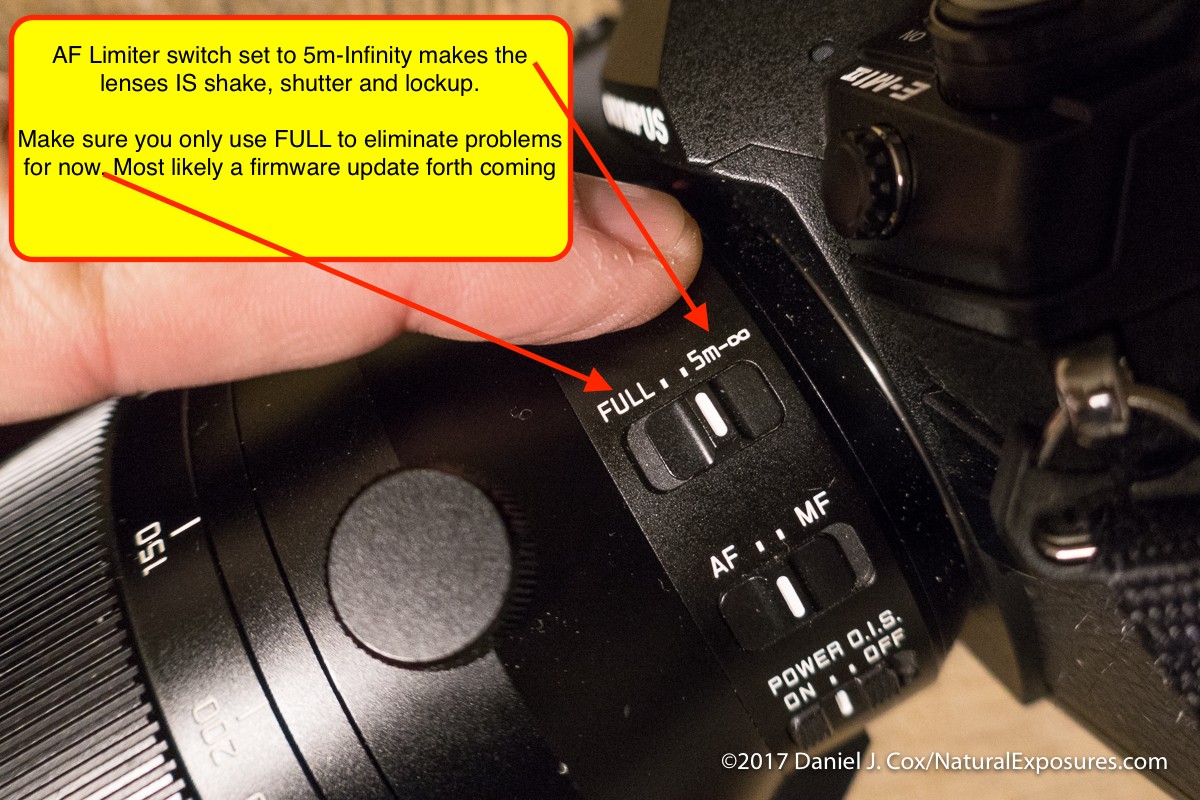
AF Limiter switch has been known to be an issue when it’s set to 5m-Infinity.
Something Strange I Haven’t Figured Out Yet
Everything seemed be working well with the new camera and lens until I tried shooting a couple of static subjects where the lens focused properly, but the image looks like image stabilization was blurring the image. I’m wondering if either the camera in-body IS needs to be shut off or the lens IS needs to be shut off. As far as I know they do not work together like the Dual IS we have when using the Lumix bodies. I didn’t shut either off and now that I’m reviewing these images, I think that must have been the reason for the horrible quality. Would love to hear from anyone seeing the same problems with both IS devices turned on or even better, which one should we turn off. I’ll be doing more tests and adding them to the blog.
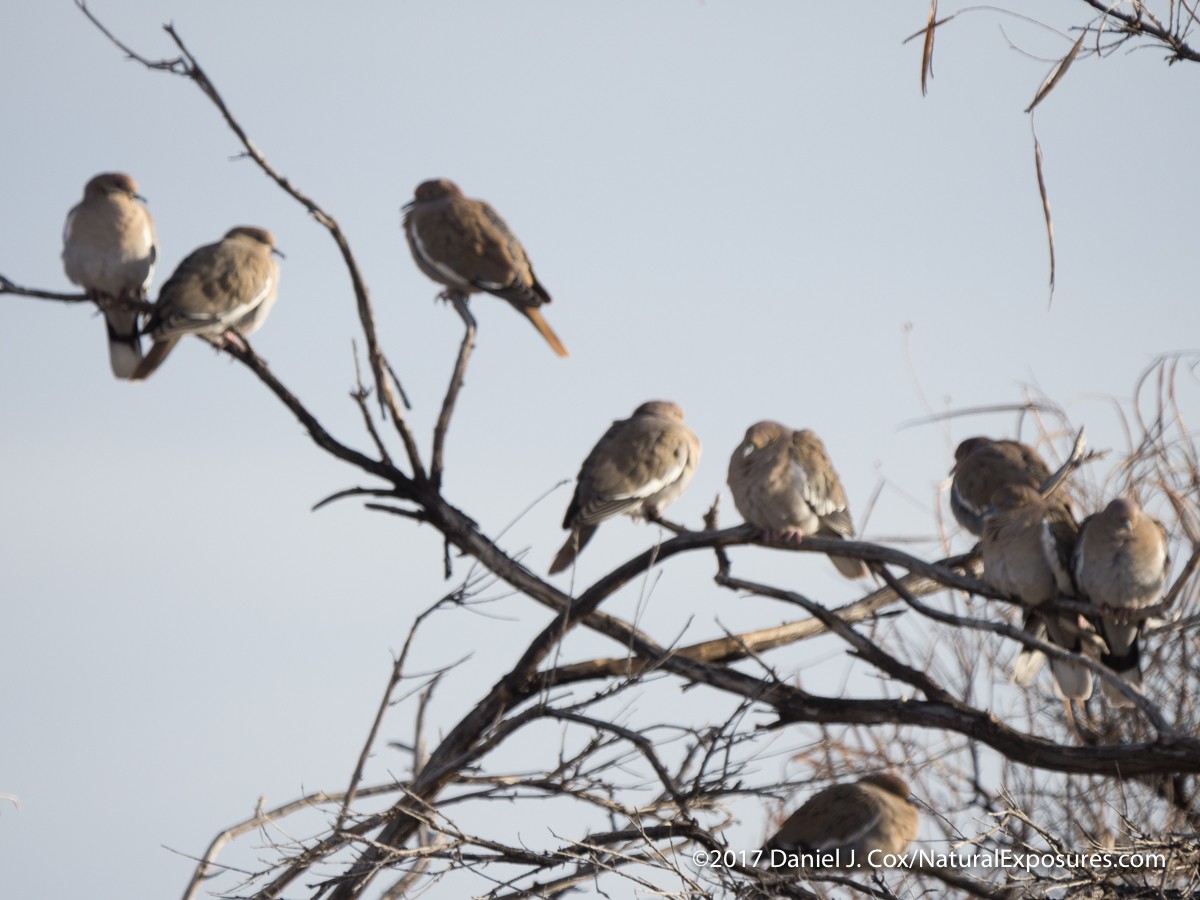
Doves in a tree are extremely soft and look like possibly in-camera IS and lens IS were fighting each other. Image shot at 1/320th of a second so camera shake was not an issue.
For those who really want to see a sequence of images that were shot in a burst and have the ability to download for your own personal reference—viewing only, no reproductions of any kind—here is a link where you can get the collection of images in the slideshow below in full size JPEGs. I’ve done no sharpening or editing to them of any kind. Please note I added a huge watermark to these since I’m allowing them to be downloaded. The slide show below is not meant to be a showcase. It’s only meant to give you an idea of what the images look like.
Update
I just shot a series of tests with the following settings. The images below are 100% crops of each image and to my eyes frame from Series #3 looks the best. Series #1 Camera IS to Auto, Lens IS on
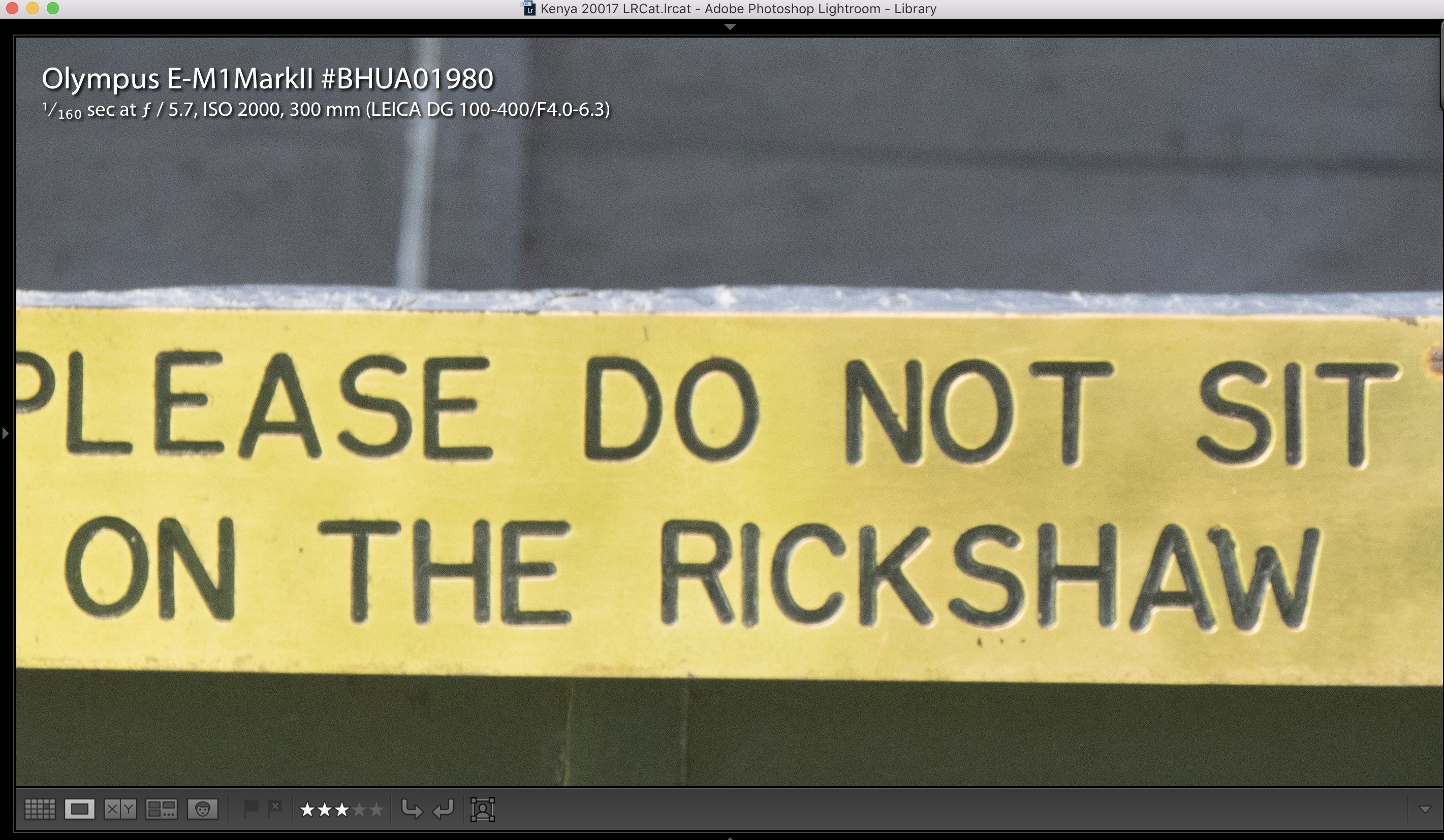
Series 1
Camera IS to Auto, Lens IS on
Series #2 Camera IS to Auto, Lens IS off
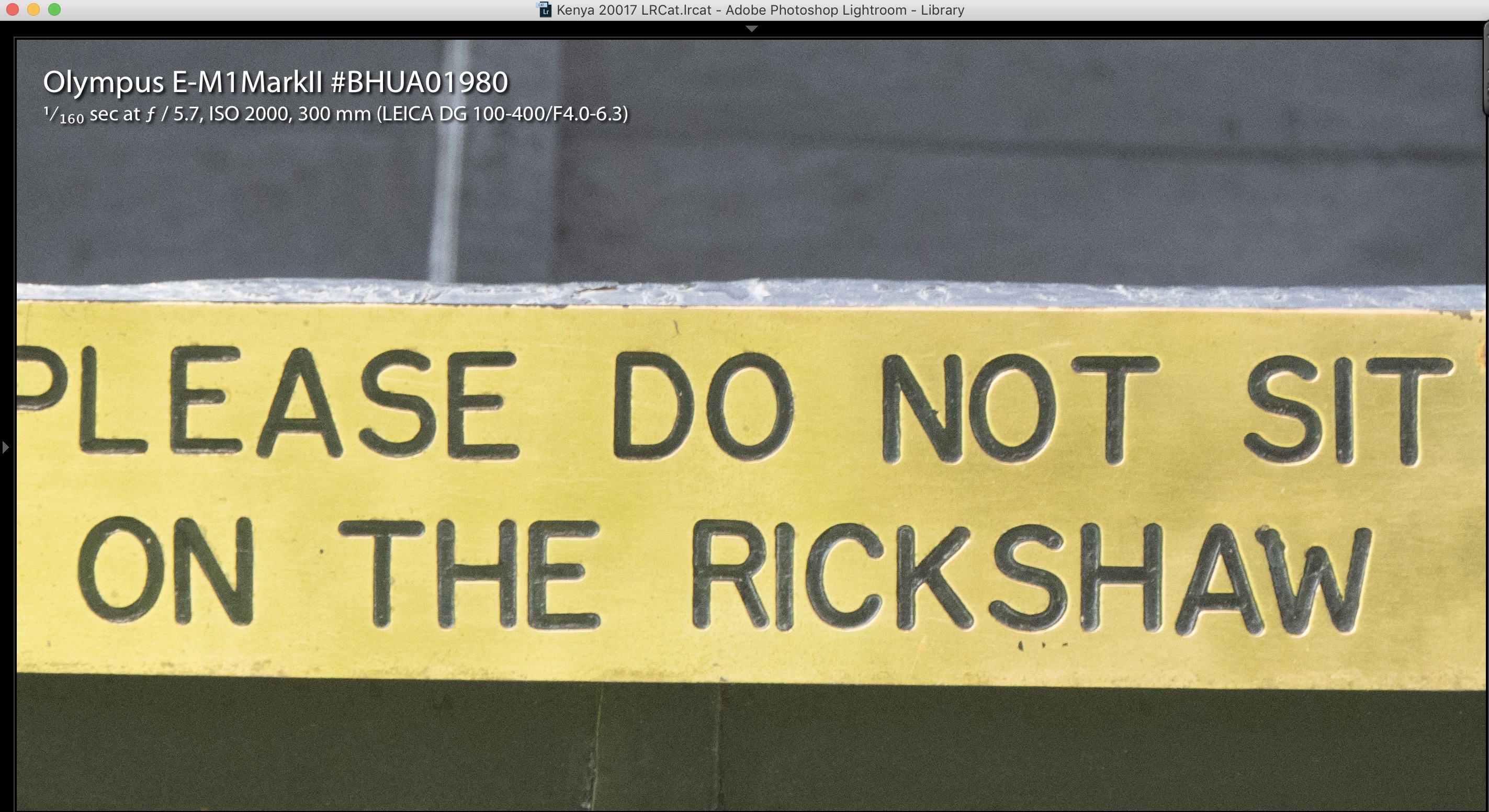
Series 2
Camera IS to Auto, Lens IS off
Series #3 Camera IS off, Lens IS on
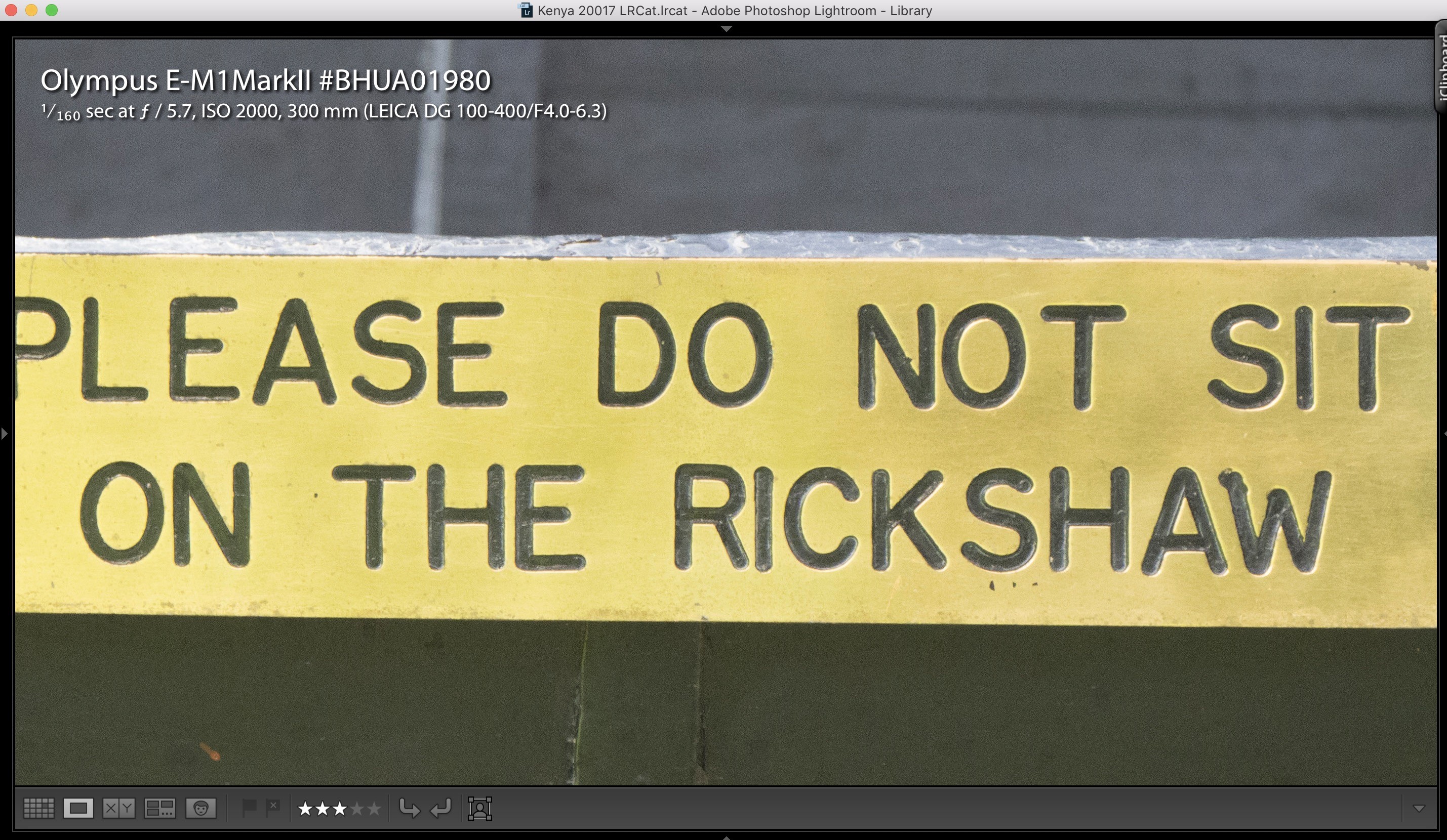
Series 3
Camera IS off, Lens IS on
What’s strange about these tests is that as far as I can recall, all of the birds in flight were shot with both in-camera IS and lens IS turned on as were the doves in the tree. Why the moving images are fine and the static is not, I don’t have any clue. However, based on these latest tests, I would suggest shutting off in-camera IS and leaving the lens IS on. So that’s it for now. Will be giving this lens and camera combination lots more tests. For any of you out there that have used these two together I would love to hear your thoughts in the comments below. Stay tuned.