

It’s About The Overall Story
The proposed language change in the Endangered Species Act is a very big deal that could be devastating for endangered species. I’ve been a photographer since I was 16 years old, and virtually everything I do is related to telling a visual story—many of those stories about endangered species. One of my favorite ways to show the animals I love is to capture them in the places they call home. Many wildlife photographers prefer close-ups.
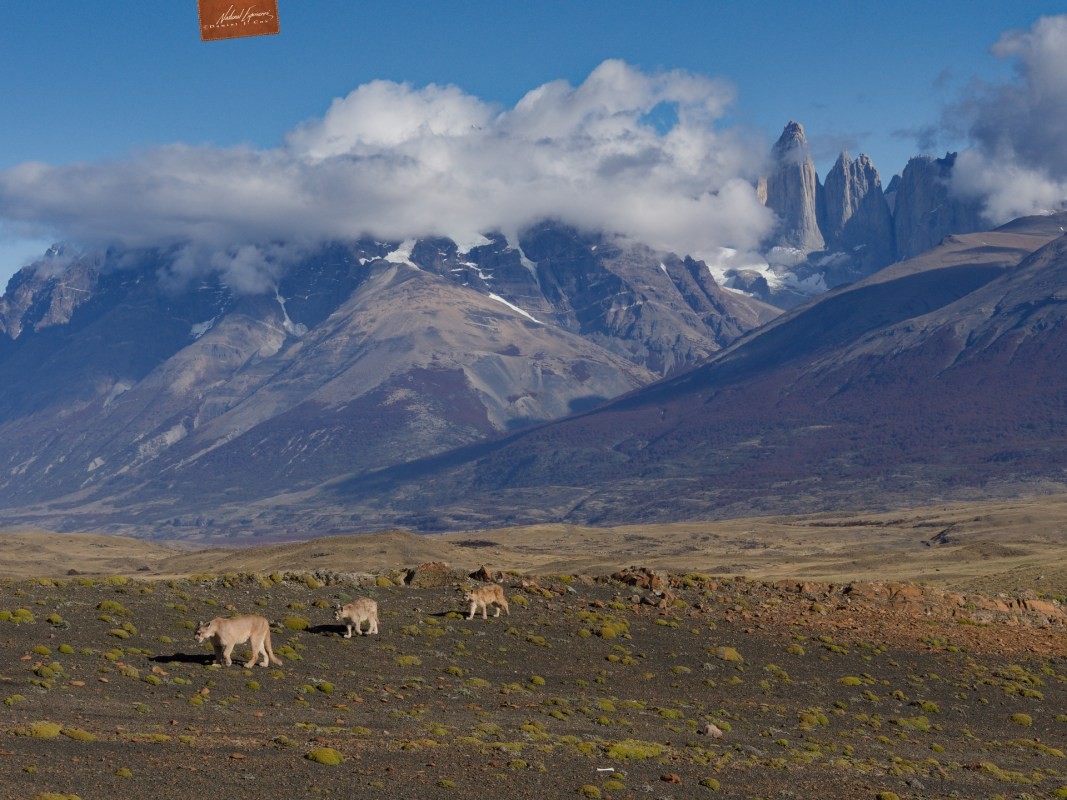
I’m not against tight portraits, but I prefer wide-open vistas, photos that show wild animals in the habitat they live in. I often say, “Without habitat, there is no wildlife.” It’s their natural territory that is every bit as important as the animals themselves.
Trying to Relate
Let me share with you a nightmare I’m hoping you’ve never experienced. Make believe you’re minding your own business, sleeping peacefully in a warm and comfortable bed, and maybe even dreaming of a wonderful life with you and your family. As your dream unfolds, you’re blasted into awakened reality when the walls of your house begin crashing to the floor. Splintering wood, smashed cinder blocks, splintered glass, electrical wires arcing sparks, and plumes from a dust-filled cloud rising above the floor your crumpled body has landed on.
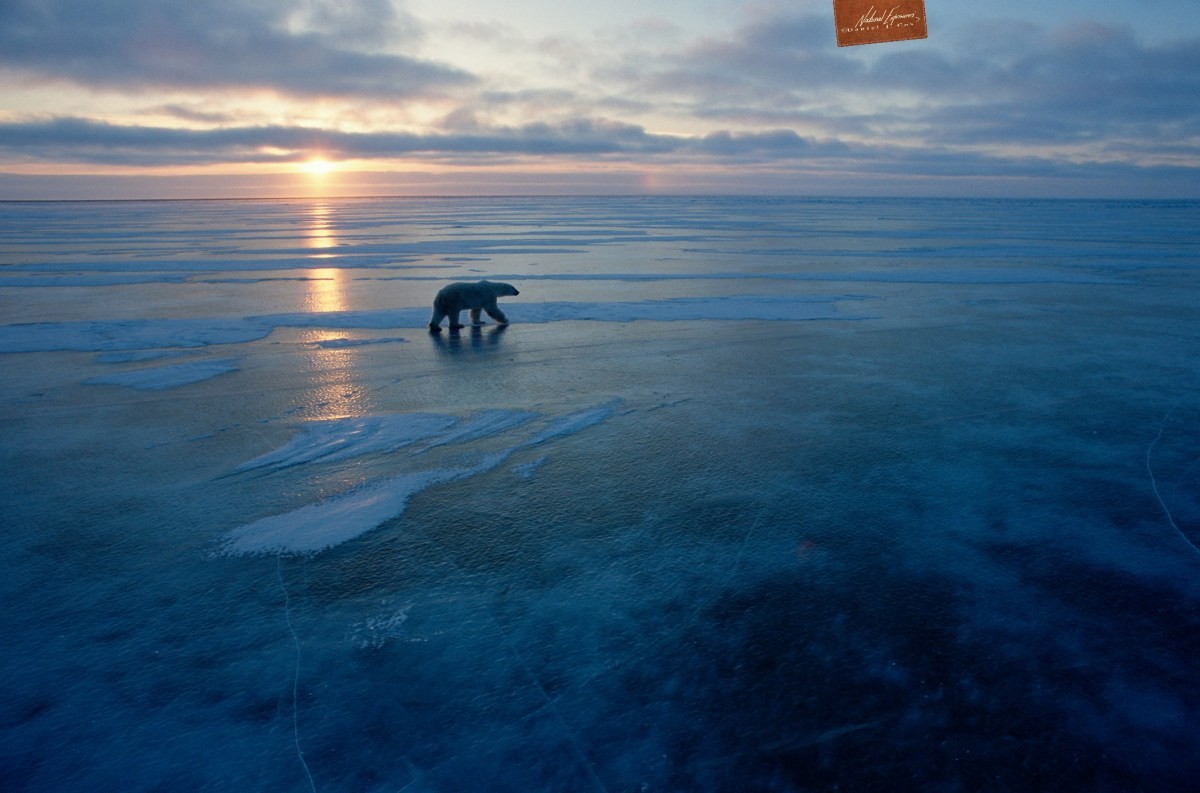
A Place You Don’t Recognize and Can’t Survive In
Welcome to your new home, a place you don’t recognize, with no food or water and void of all necessities for a productive and comfortable future. In short, no home, no life as you knew it, due to the Endangered Species Act Proposed Language Change. This horrific example, which we should all be able to relate to, describes well what our government is proposing for wild animals within the boundaries of the United States. Changes in the language of the Endangered Species Act could affect the homes of all animals, putting many at risk.
Changes Proposed to the Endangered Species Act
On April 16, 2025, the U.S. Fish & Wildlife Service and the National Marine Fisheries Service
proposed a rule that would, if enacted, significantly weaken protections under the Endangered Species Act (ESA) by changing the long-standing definition of “harm” to exclude habitat modification. In other words, the habitat/homes these animals live in do not have to be considered when an animal might be at risk in some way. Now imagine the example I gave above, you without a home, without the proper habitat you need to survive and live a comfortable life. How long do you think you would survive? Quite simply, there’s no way to disconnect the need for habitat protection from any animal. Without a proper habitat, there are no wild animals.
The ESA Has Worked Wonders
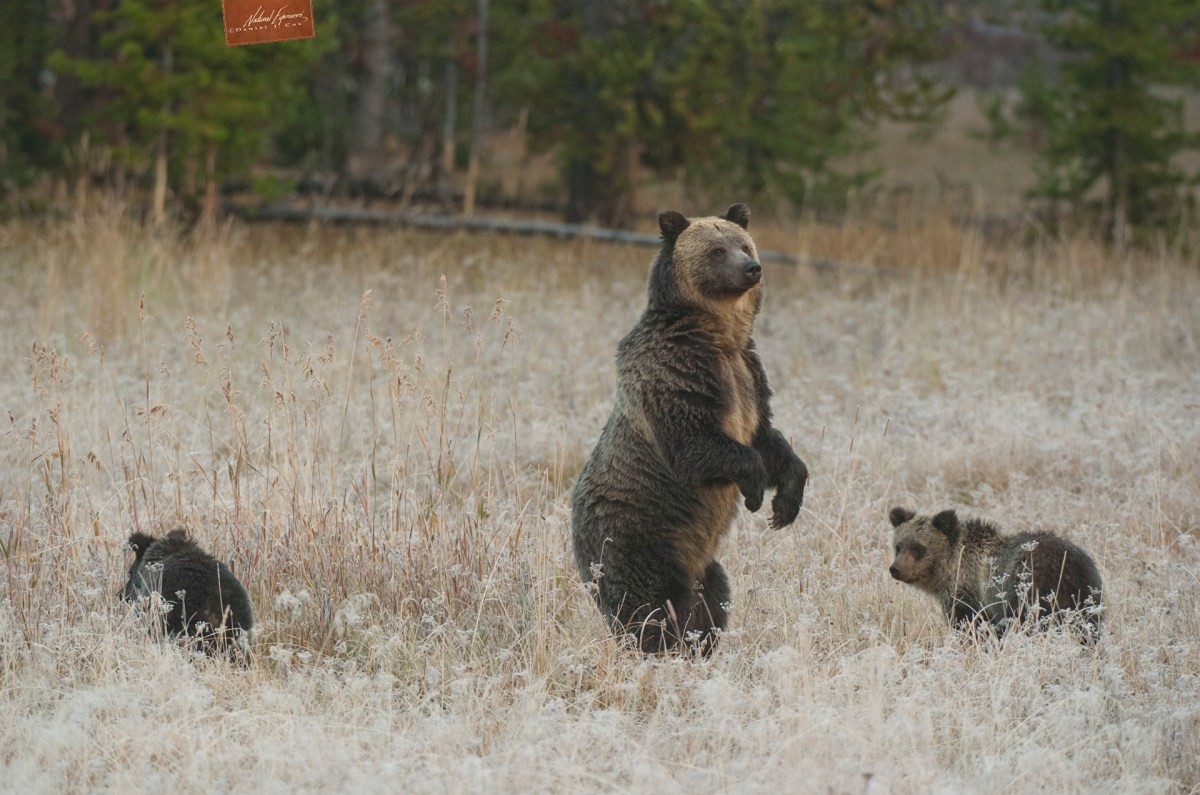
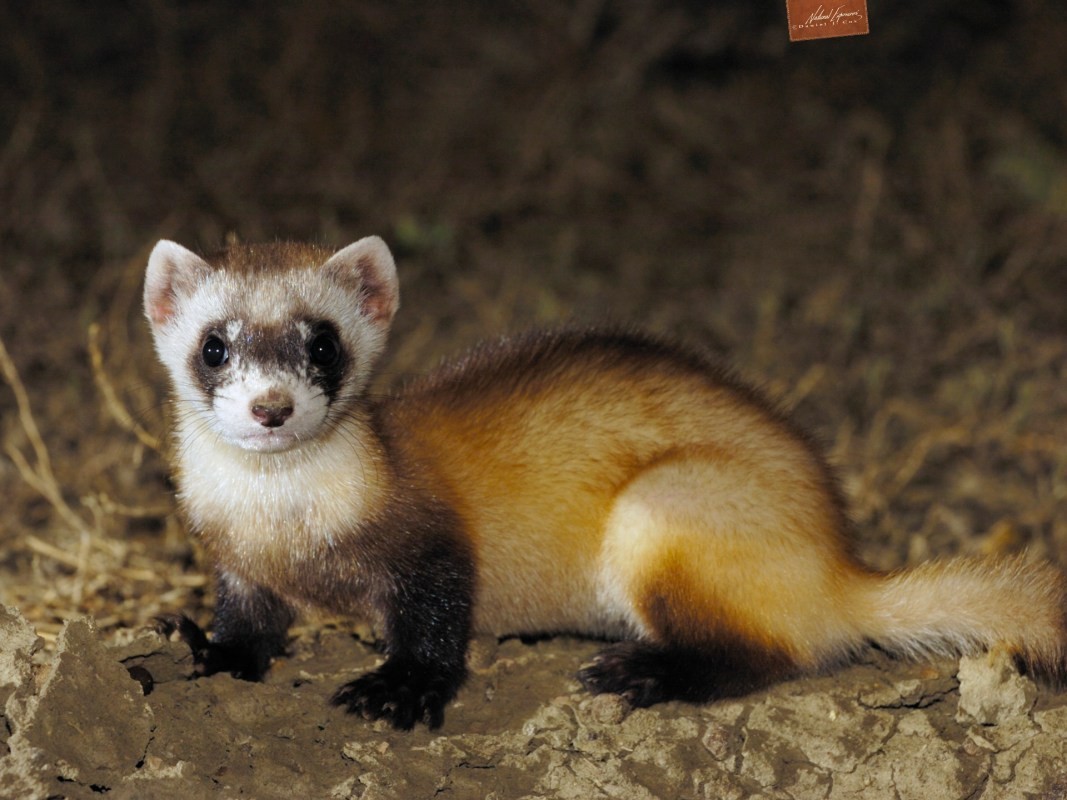
The Endangered Species Act has done an admirable job of saving some of our most iconic species. They include the Gray Wolf, Bald Eagle, Black-footed Ferret, Grizzly Bear, Florida Panther, Peregrine Falcon, California Condor, and other less well-known species. Many of these animals were on the brink of extinction within the US, some living in no other places. The public loves these animals and would certainly not be happy if they were allowed to disappear.
Add Your Voice With Public Comment
Thankfully, there is a public comment period. The deadline for adding your voice/comments on this issue is Monday, May 19, 2025. You can submit a comment and/or empower your community to submit a comment. Every voice on this critical issue matters.
Comments can be submitted here:
https://www.regulations.gov/docket/FWS-HQ-ES-2025-0034
Key Points For Comments
- The ESA is our country’s most effective law—and one of the world’s most powerful legal tools—for protecting at-risk species. In its current configuration, the ESA has a 99% success rate at preventing the extinction of listed species.
- There is broad scientific consensus that habitat loss is one of the greatest threats to at-risk species.
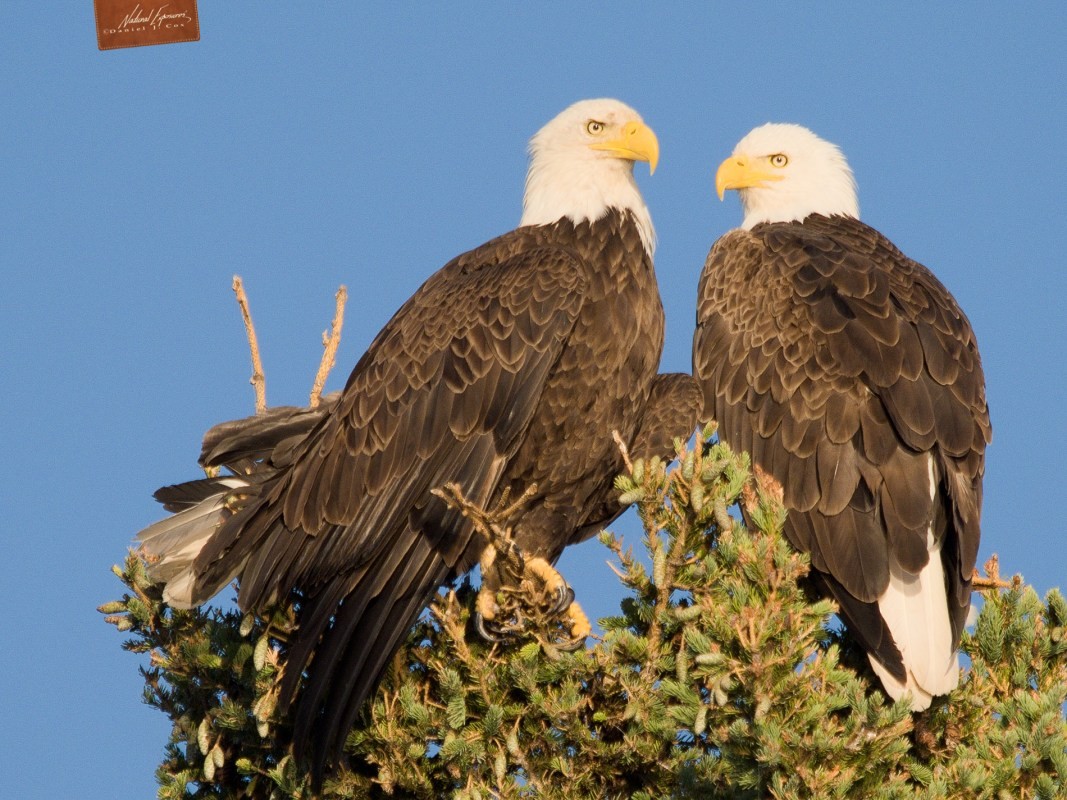
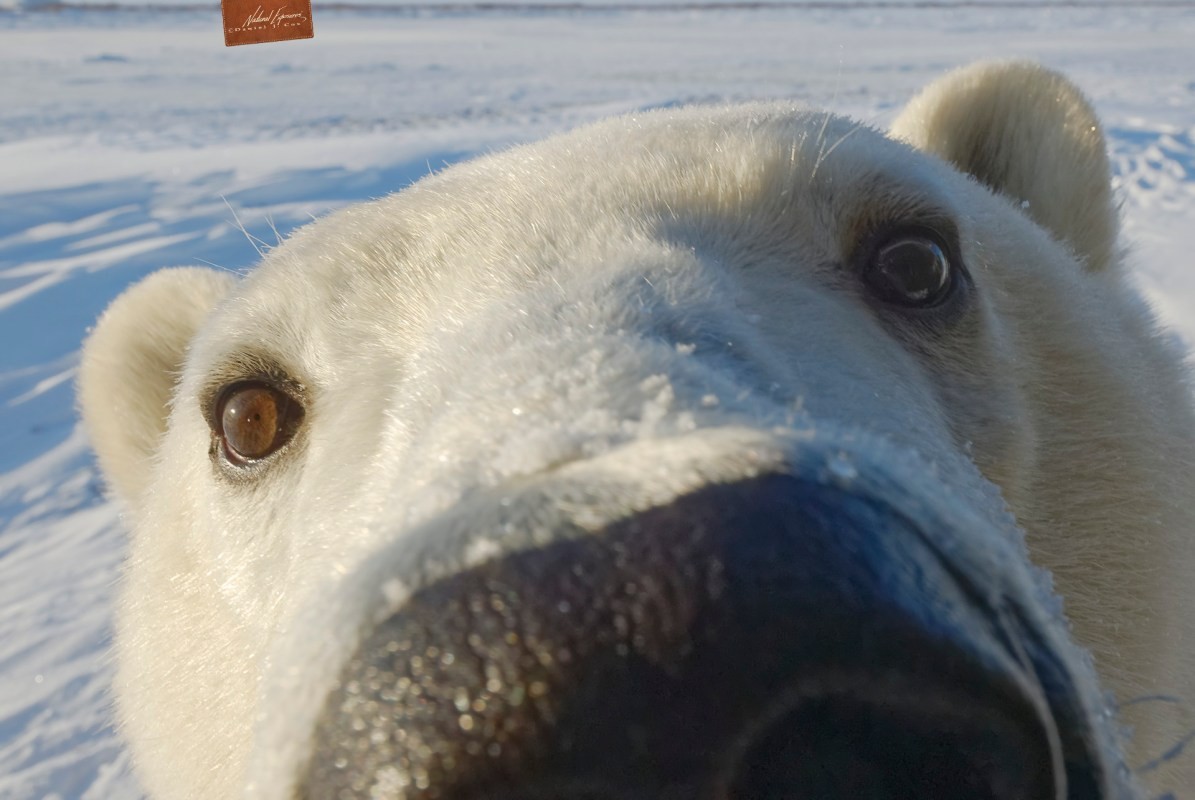
- Rescinding the definition of “harm” under the ESA would allow industries to degrade ecosystems that many species—including polar bears— depend on. Wildlife needs habitat to survive.
- This proposed change poses an unacceptable risk to listed species. The definition of “harm” under the ESA must continue to include habitat modification.
Thank You, Polar Bears International, For This Alert
My friends and colleagues at Polar Bears International brought this possible new ruling change to my attention. Below are several suggestions from PBI that you should include in your public comment. I’ve added my voice already. Please do all wild animals a favor and speak for them by telling our government to leave the ESA alone.
One of the main reasons I got into wildlife photography was to help give animals a voice. Their entire existence is dependent on us wanting to do the right thing. Our government is asking for our thoughts on what the right thing is. Please comment Today!