

The Olympus OM-1 continues gaining traction with serious photographers who enjoy wildlfe and nature photography. Two examples of the recent love for Olympus come from National Geographic and the Northrups.
National Geographic Selects OM-1 As Best Wildlife Camera
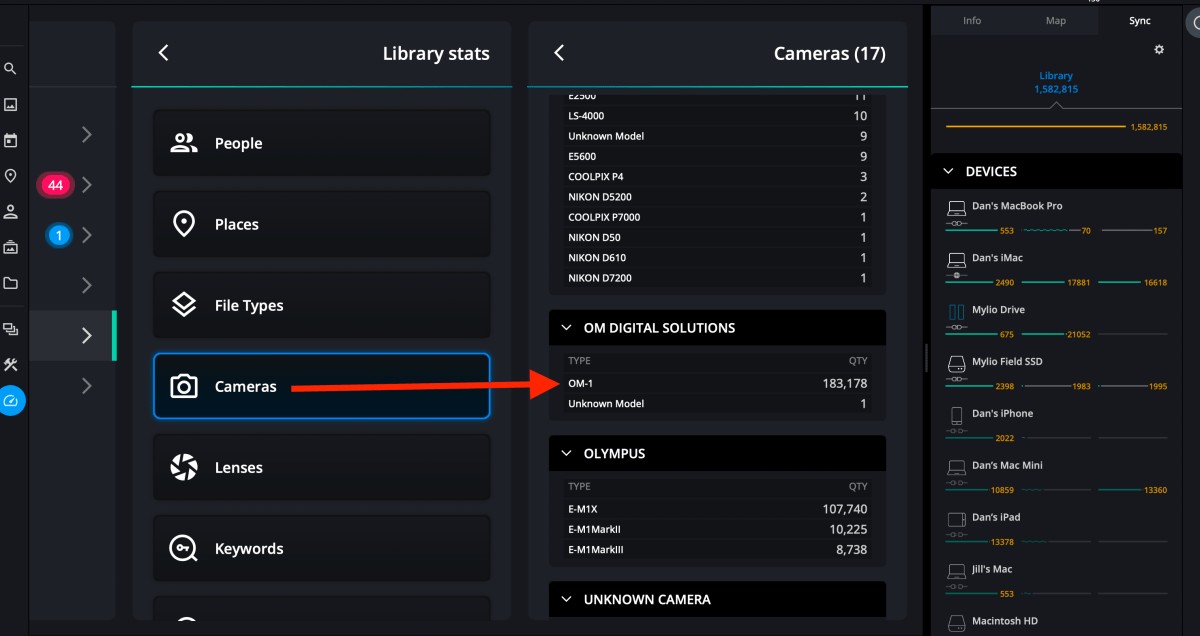
In the recent article “The 9 Best Digital Cameras For Travelers,” Nat Geo declares the Olympus OM-1 the best for wildlife. I’m certainly not surprised based on the 183,178 photos I’ve shot between three different OM-1 bodies. This camera and, even more importantly, the 150-400mm lens have changed my wildlife photography completely.
The Camera is Great; the Lens is Spectacular
Yes, the OM-1 is a fabulous tool with industry leading weather sealing, fabulous Dual IS, professional build with superb fit and finish. Not to mention excellent AF subject detection, incredible frames per second, excellent flash, and a much-improved menu system. There are so many things that make this camera the best I’ve ever used, but, the 150-400mm becomes the icing on the cake.
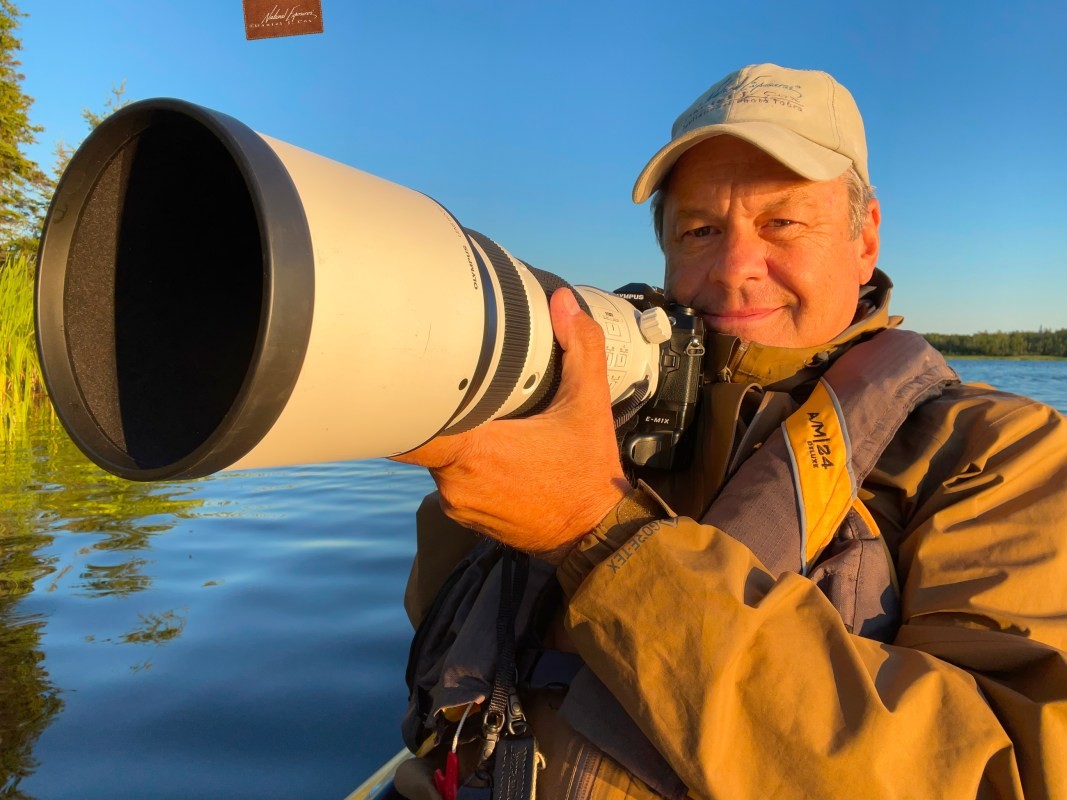
The 150-400mm zoom is by far the most professional optical tool I’ve ever shot with. Its ability to move through a combination of focal lengths equal to 300-800mm with the turn of your wrist is a feature that can not be underestimated. Yes, Nikon has the new 800mm lens, the equivalent on the long end of the 150-400mm. It’s a stellar new lens that is very light for what it is. But it’s a FIXED focal length for goodness sake. Animals don’t sit still. They’re constantly moving, and having to readjust with a fixed lens is unacceptable and unproductive. You WILL miss many good images by being unable to zoom and change focal lengths.
Tony and Chelsea Northrup Also Finally Like a MFT Camera
Tony Northrup has never been helpful with promoting the BENIFITS of the MFT system. I’m thoroughly convinced Tony’s dislike and inability to say anything positive about MFT hurt both Lumix and Olympus immensely. I could never figure out why he was so intent on being negative. What harm is there for a different category of camera? Why was there so much animosity towards something different? I could understand that maybe MFT wasn’t his cup of tea. But why try to kill it? I just never could understand his apparent disdain for this wonderful system.
But it seems he may have called a truce with his dislike for MFT. In his latest video, he praises Olympus in many ways. Many of the positive things I mentioend above. In short, Tony may be coming around.
In Conclusion
It’s great to see MFT getting some positive attention. So many photographers have been brainwashed into thinking they need a full-frame camera. Full frame and MFT each have their own pluses and minuses. But for wildlife and nature, I’ve never used a more productive camera than the Olympus OM-1. Nature photographers could save themselves a bushel of money if they would do their homework and sift through the marketing hype regarding the two types of cameras. If you have plenty of cash and are unconcerned about how it’s spent, then this little assignment’s not for you. On the other hand, if you would rather buy a trip to a new destination than spend hard-earned money on over-hyped equipment, you should continue researching. Two tools that I use to level the playing field are DXO PhotoLab and Topaz Photo AI. I’ll leave you with those two hints at why full-frame camera manufacturers have the majority of photographers drinking the cool-aid.