
I recently received a question about photography using program mode, via my LinkedIn Nikon Photographers Forum that I tried to answer via LinkedIn. However, due to the length of the answer I decided to bring it over here to my blog. The question is, “what shooting mode do most photographs use?” You can read my thoughts below.
Panasonic’s Lumix and Nikon Cameras Flexible Program Mode
I use what Nikon refers to as Flexible Program Mode or the P setting 98% of the time. As most of the comments above show, using anything but Manual or Aperture priority is not very popular. However, I believe if more photographers would investigate the benefits of the Flexible Program option, in the Nikon and Lumix system, they would come to understand the tremendous benefits. I specifically state Nikon and Lumix since Canon’s version of the Flexible Program is a bit different and can be frustrating to rely on.
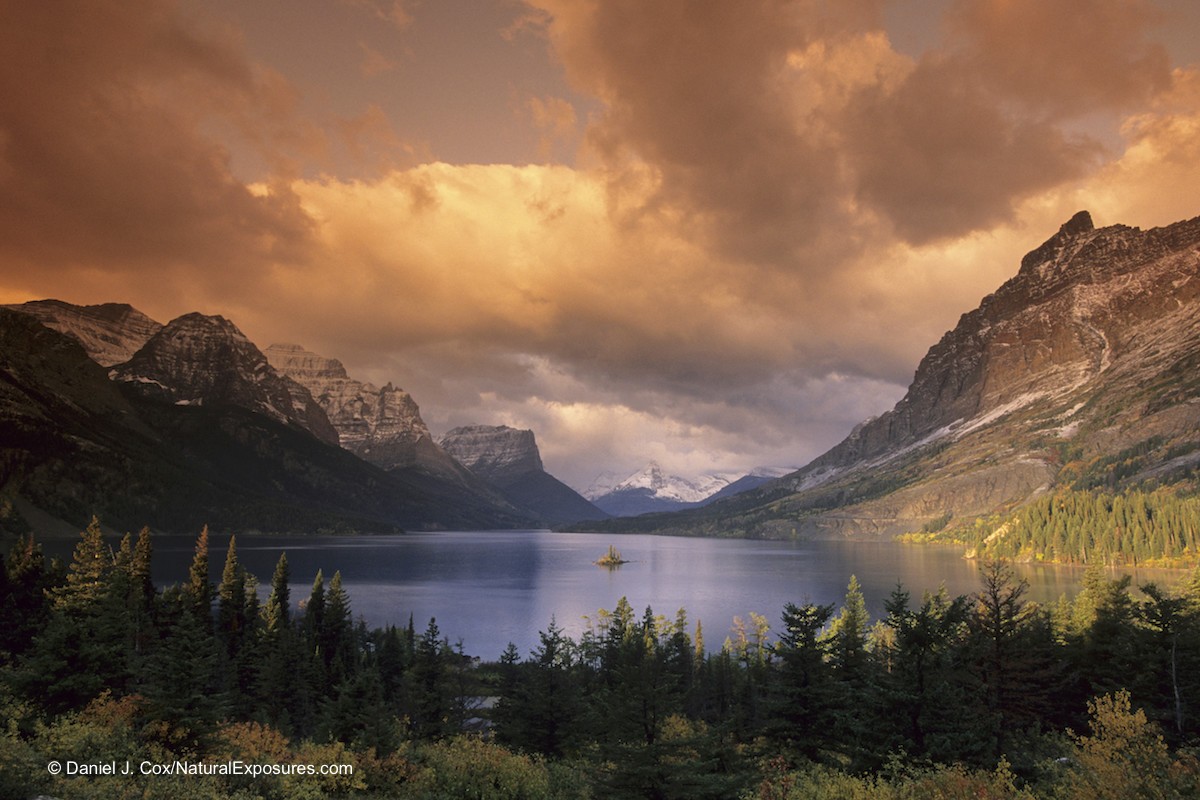
St. Mary’s Lake and Lone Goose Island during autumn in Glacier National Park, Montana.
Nikon’s Flexible Program is actually a combination of Aperture Priority and Shutter Priority all rolled into one. When you first turn the camera on in the P Mode, the camera will choose what it thinks is the appropriate shutter speed and aperture. This is where most serious shooters think the downside to P mode comes in. What many don’t know is you have the option to adjust
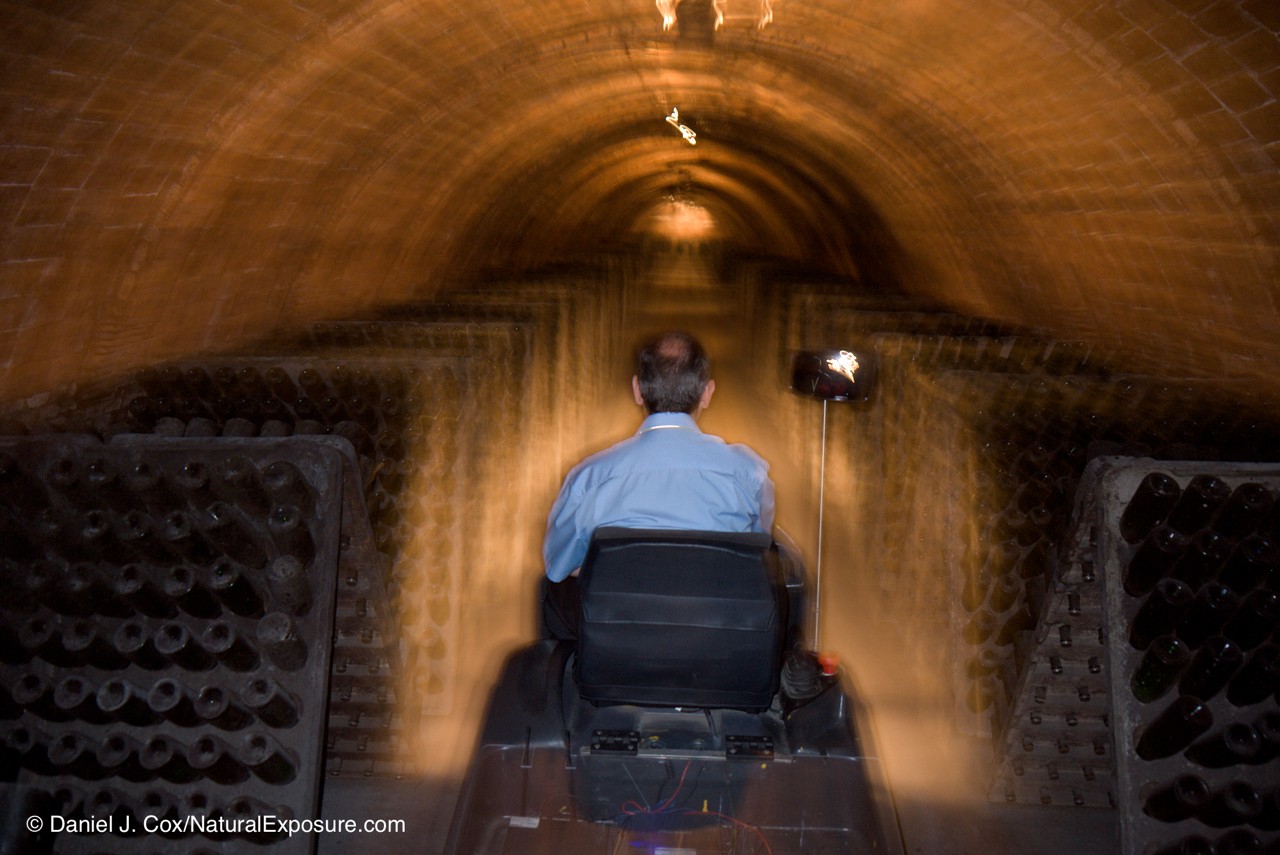
Underground caverns, holding Codorniu sparkling wines known as Cava near Catalonia, Spain
shutter speed and aperture while in the P mode. That’s where the word Flexible comes in. Let’s say the camera selects a shutter speed of 250th @ F/8. but you want a faster shutter speed to stop something with quick moving action. Presuming you have a lens that has a maximum aperture larger than f/8, let’s say f/4, you can adjust the cameras shutter speed and aperture combination to something more appropriate.
Here’s how it’s done. When in Flexible Program, you turn the camera on and the camera makes a selection of say 250th @ f/8, however, you decide you want 1000th @ f/4. To change the camera to 1000th @ f/4, all you do is turn Nikon’s main Command Dial, (the big horizontal wheel on the top right, back side of the camera next to your thumb) to the right until you get the 1000th

White-tailed eagle in flight, Hokkaido, Japan. Lumix GX8 with Leica 100-400mm zoom ISO 640
of a second. While adjusting the Command Dial and moving it to the higher shutter speed, the aperture follows right along with it, bringing the aperture up to the f/4 setting. Let’s say the action subsides and you now want better depth of field. All you do is turn the Command Dial to the left. In doing so the shutter speed is reduced and the Aperture once again follows it down to a smaller aperture setting, which in turn gives you better depth of field.
So in summary if you want to stop action, quickly dial to the right. If you want better depth of field, dial to the left. It’s that simple and very, very quick to use. As I mentioned above it is very similar to having the benefits of Aperture Priority and Shutter Priority all rolled into one easy Program Mode.

An unidentified young lady sledding on Pete’s Hill. Bozeman, Montana. Lumix FZ300 in 4K photo Mode.
Now for my soap box on photographers who refuse anything but manual metering. Why would anyone buy a multi-thousand dollar camera or even several hundred dollar camera and refuse to use the sophisticated technology that costs a substantial part of the cameras price? I’m always amazed at the pride many photographers exude when talking about using the same technique that came onto the market with the Super Kodak Six-20 in1938. Auto metering is meant to help all photographers concentrate on the composition, the peak action, capturing the elusive moment. Those are things that only the human eye, at this point, can
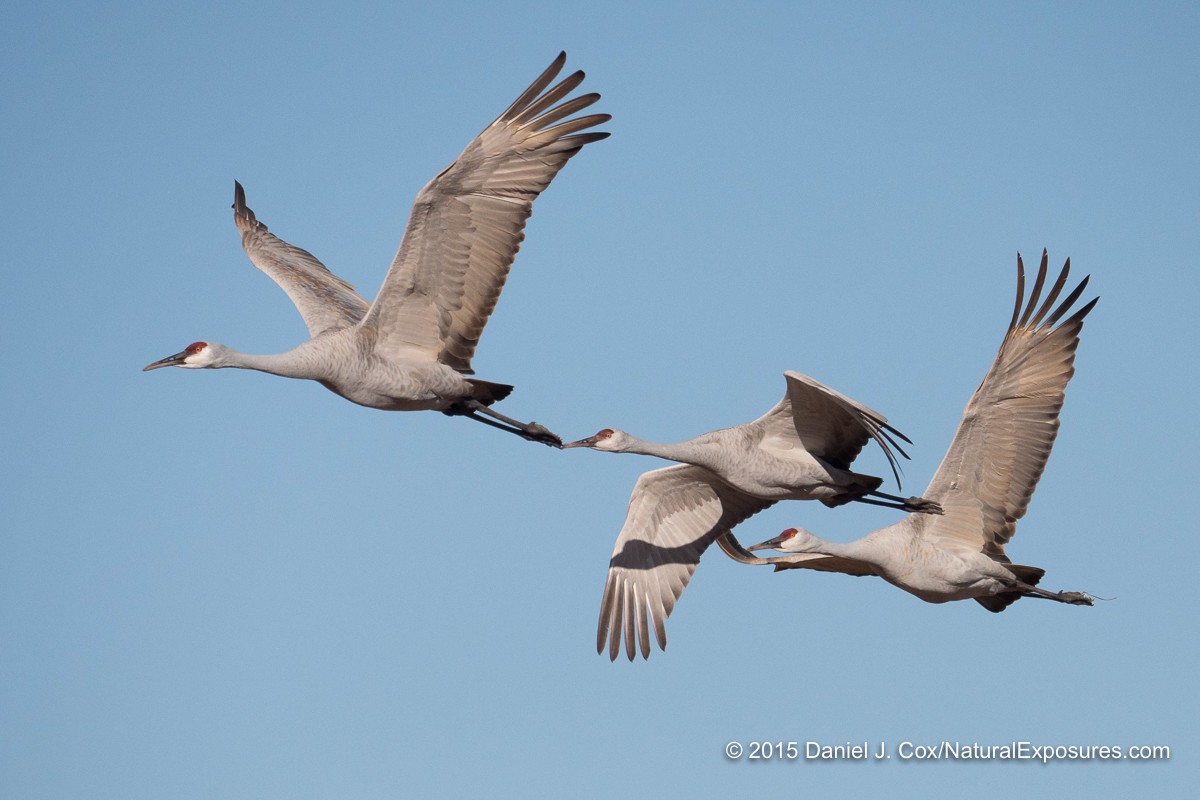
Sandhill cranes on flight over Bosque del Apache NWR. Lumix GX8 with Leica Vario-Elmar 100-400mm lens. ISO 320
make a judgement on to convince the photographer to push the shutter button. I agree that there are still a few, very few, situations where moving your camera over to Manual Metering Mode is beneficial. That’s where my other 2% points come in. But I’m also confident that you are equally qualified, some may say “professional” even if you do choose to use some of the worlds leading technology to expose your pictures and help you concentrate on the other issues I mentioned above. With Auto Metering, the advent of the histogram and use of the +/- Exposure Compensation button, a photographer can easily eliminate most times it is necessary to switch back and forth from Auto to Manual metering. Knowing when to use the modern metering technology or relying on your skills to meter manually is the key.
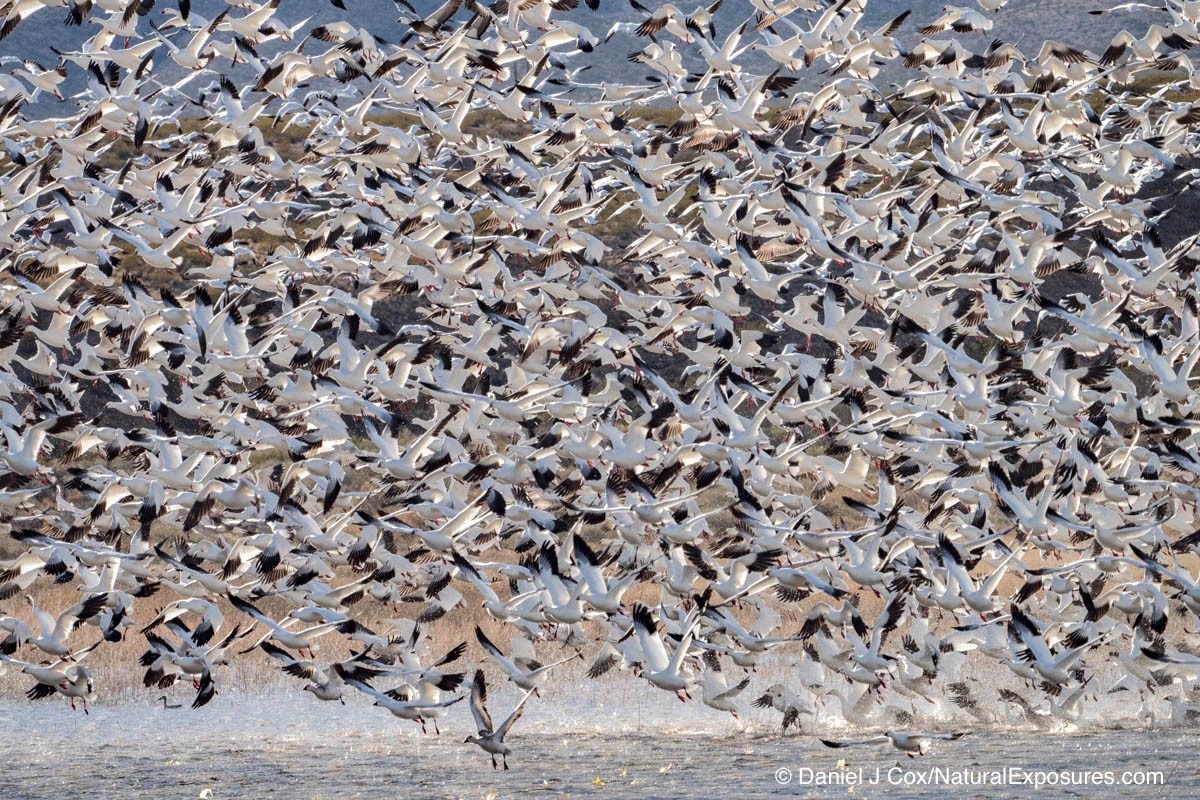
Snow geese lift off from a small pond at Bosque del Apache NWR. New Mexico. Lumix GX8 with 100-400mm zoom. ISO 320
One last note regarding the differences between Nikon and Canon on this issue of Program Mode. Canon also has a similar feature to Nikon’s Flexible Program with one big exception. When Canon cameras are in Canon’s Program Mode and the camera turns the meter off during a slow period in the action, if you reactivate the meter by touching the shutter button, the Canon camera resets the shutter speed and aperture back to what THE CAMERA wants, not what you originally chose. With Nikon, even though the camera meter will shut down, when you reactivate the system by touching the shutter button, the shutter and aperture settings are where you set them before the meter turned itself off. This difference between the Nikon and Canon systems is why I suggest Canon shooters use the Aperture or Shutter Priority setting when using an auto mode.
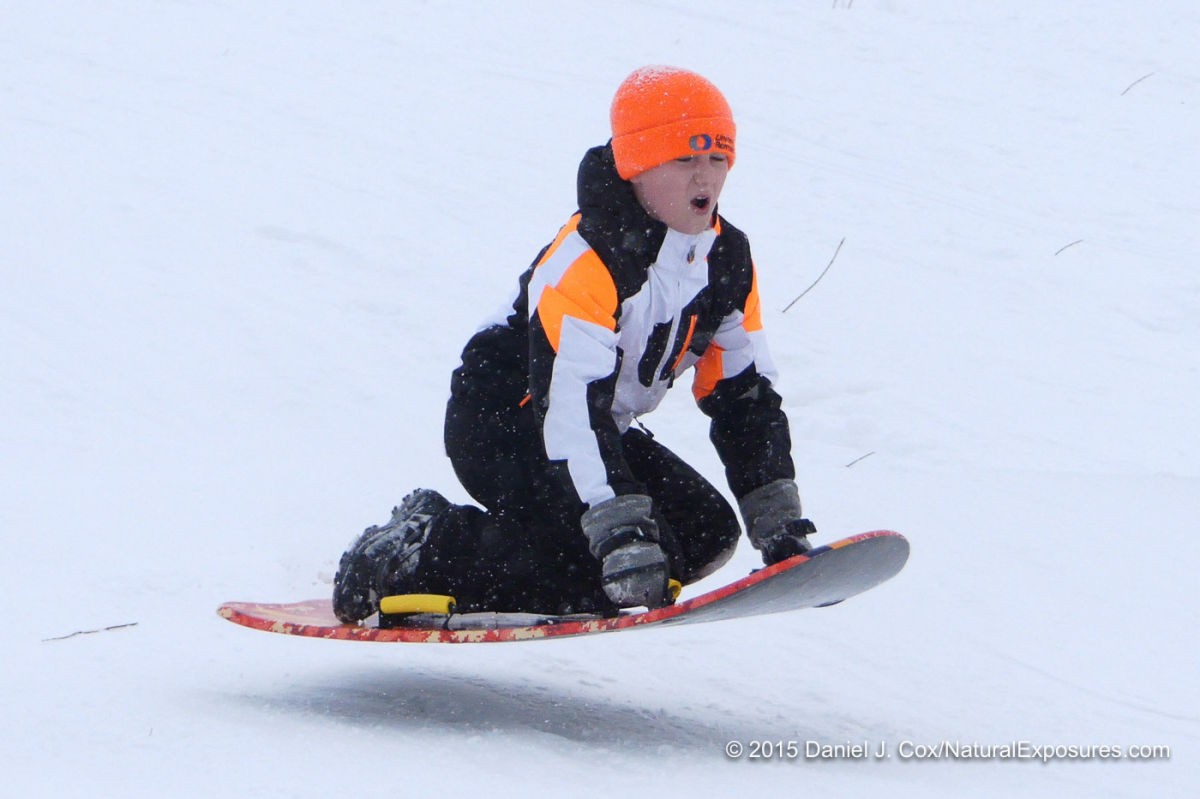
Isak catching some air on pete’s Hill. Bozeman, Montana Lumix FZ300 in 4K Photo Mode
I’m certain all of you will agree that the suggestions above are just one mans opinion and there will be many who will have their own ideas. However, keeping an open mind on how we create images is all just part of growing in this exciting world of creating images. If you are interested I other subjects on photography, conservation and quality story telling I would be grateful if you visited our blog at http://naturalexposures.com/