

Editorial Note:
This blog post is not an in-depth review of the new Olympus 150-400mm zoom. It’s simply a relatively short post comparing its price to similar lenses from Nikon and Canon. There are plenty of blog posts and YouTube videos explaining all the features of this lens. This is not one of them.
Potential to change wildlife photography
The Olympus 150-400mm zoom has the potential to revolutionize wildlife photography. That’s a strong statement, but I believe it’s true. For my entire 40+ year career as a wildlife and nature photographer, I’ve always dreamed of more powerful lenses. Optics that could get me closer to my subjects without physically closing that distance.
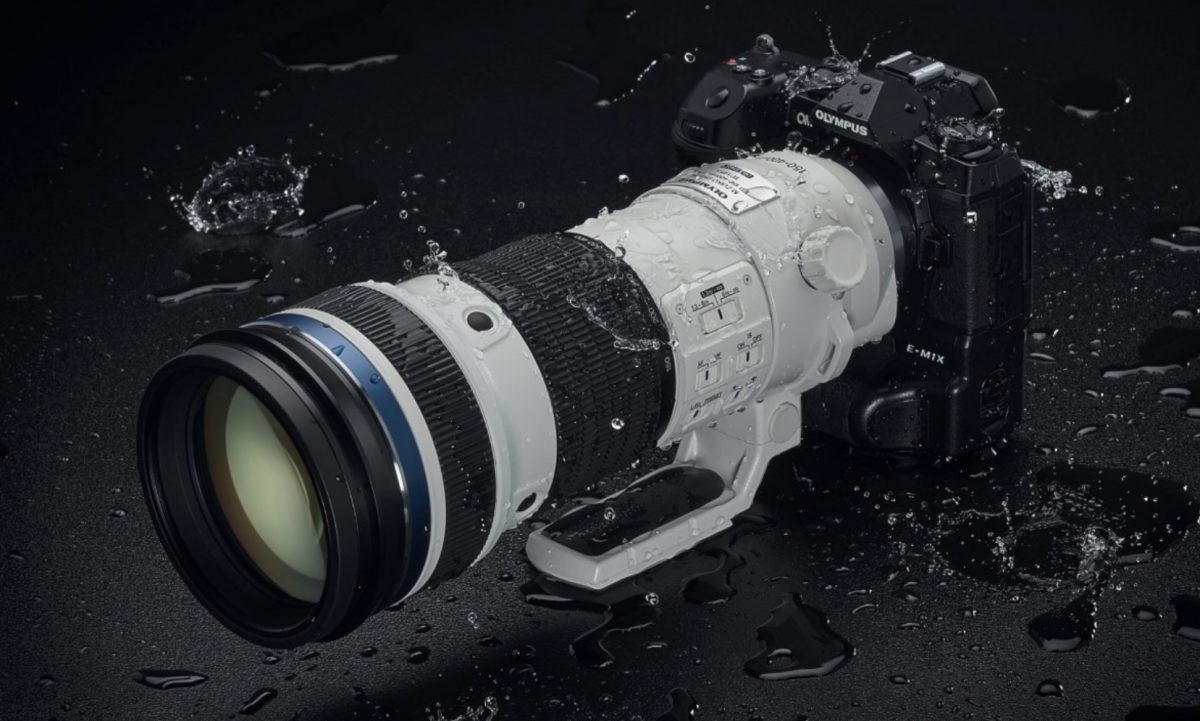
Being further from your subject has many benefits
- The further you are from your subject, the less influence you will have on their actions, giving you more authentic behavior.
- Keeping your distance eliminates almost all potential to aggravate your subject. Any negative interaction between you and the animal is always bad for the animal. Keeping yourself safe keeps your subject safe.
- Keeping your distance inspires others to do the same. Follow the leader is especially problematic in our national parks.

The newest technology makes it possible
I’m confident the Olympus 150-400mm zoom will follow in the steps of the Olympus 300mm F/4. The Olympus 300mm F/4 is one of– if not– the sharpest lenses I’ve ever shot. Olympus’ Sync IS is also far ahead of the competition. The new Olympus 150-400mm zoom claims to offer an incredible 8 stops of image stabilization. Only Canon claims something similar with their new mirrorless system. I haven’t shot the Canon, so I’m uncertain if the claims are true.

But I have experienced the Olympus, and it’s impressive. When leaving my studio, after shooting the Olympus 150-400mm zoom video, I quickly shot a photo of an exit sign in the dark hallway of our building. Not sure why I did it. I just pulled the camera up and shot with no concern about shutter speed, ISO, etc. I later looked at the image and saw that I had shot it at 1/25th of a second at 800mm equivalent. Amazingly it was tack sharp.
Professional optics are expensive to produce
The main reason I produced the Olympus 150-400mm zoom video was to discuss the criticism of its high price. Many across the Internet have been whining about how expensive this lens is.
And I have to agree. It’s not cheap. But when you compare it to the similar lenses from Nikon and Canon it’s actually considerably cheaper.
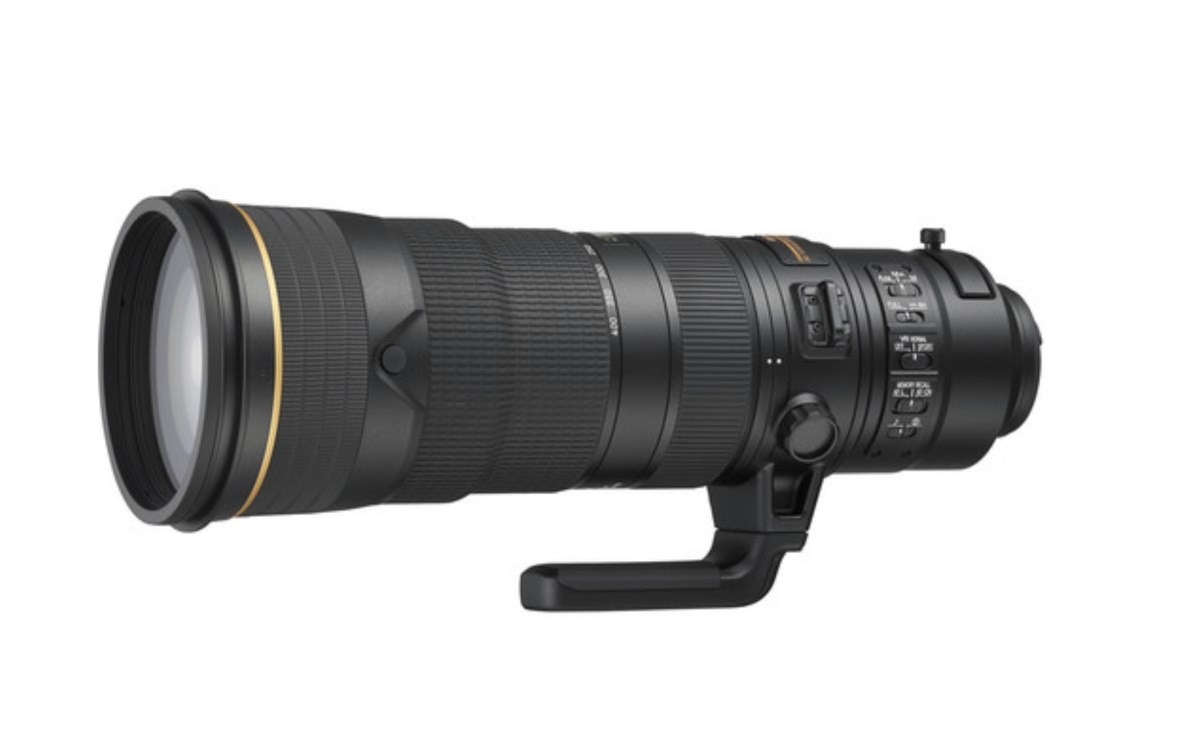
When comparing apples to apples, the new Olympus lens is actually quite reasonable. For example, the Nikon 180-400 mm zoom is priced at $12,400. The Canon 200-400mm zoom is priced at $11,000. Both the Canon and Nikon lenses have a maximum aperture of F/4 all the way through the zoom range.
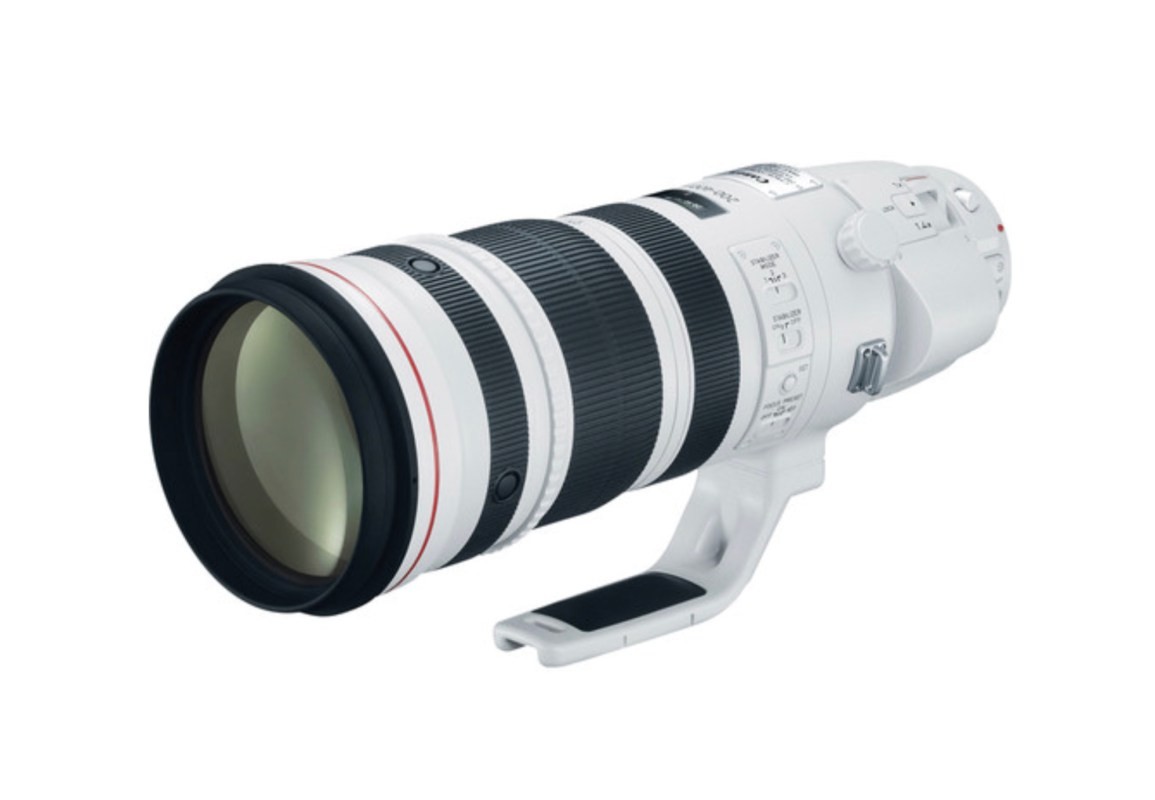
The Olympus is 1/3 of a stop less at F/4.5 but also constant throughout the zoom range. In short, all of these lenses are very similar in their range and maximum aperture. The big difference is the Olympus offers dramatically more magnification, equivalent to 300-800mm and up to 1000mm with the built-in teleconverter.
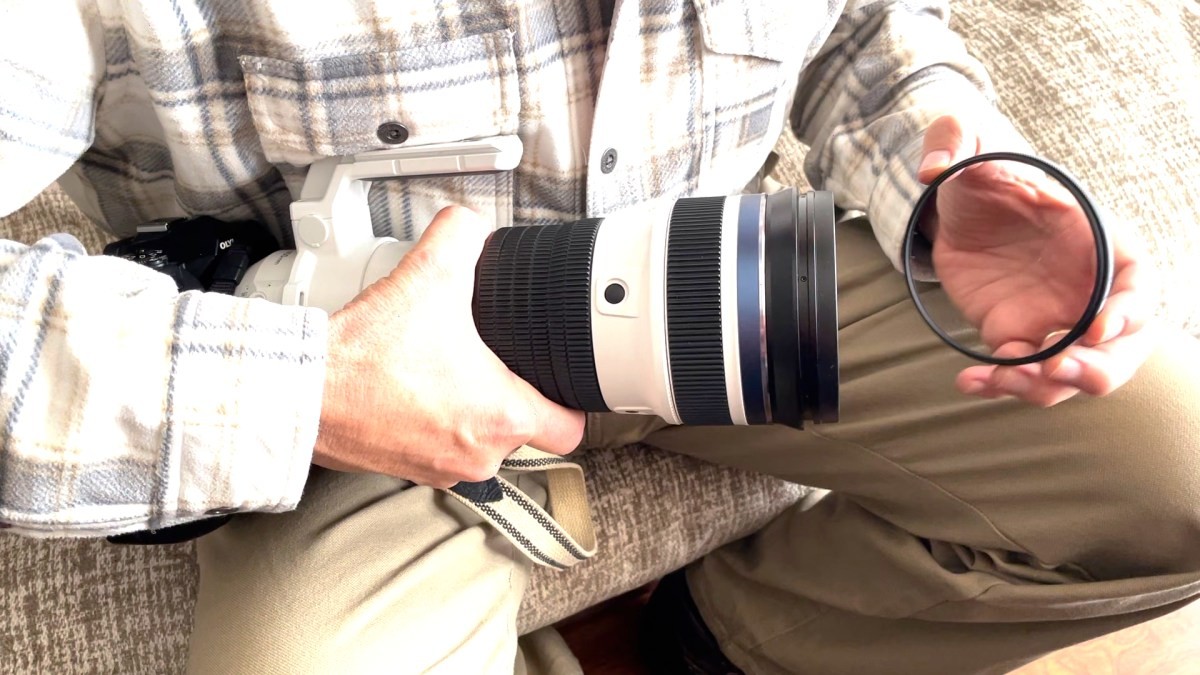
Don’t forget to protect an expensive lens
Along with the Olympus 150-400mm zoom, Olympus also announced a protective filter. I’ve always used high-quality protective filters on all my lenses. I use my equipment hard, and it never stays looking new for long. But the glass is always in pristine condition since I’ve always used a protective UV or skylight filter. Olympus makes it easy to get the right size and exceptional quality glass with its own version of this filter.
You get what you pay for
The old adage “you get what you pay for” pretty much is the case for this lens. Many of the critiques I’m reading across the Internet come from folks who have never had a need for the kind of quality this lens can produce. Typically most people buy lenses of this caliber because they either need it for their business or they have the desire and wherewithal to purchase the very best. If you’ve never spent this kind of money on a lens, it’s hard to understand why it might be necessary. Either way, I’m just extremely happy Olympus has given us this opportunity.