

In Montana, we pride ourselves on clean rivers and abundant angling opportunities, but we may soon say goodbye to a local favorite—westslope cutthroat trout.
As the planet heats up due to global warming, a lot of species are having a tough time. One of those species is the westslope cutthroat trout whose native streams are getting warmer and warmer.
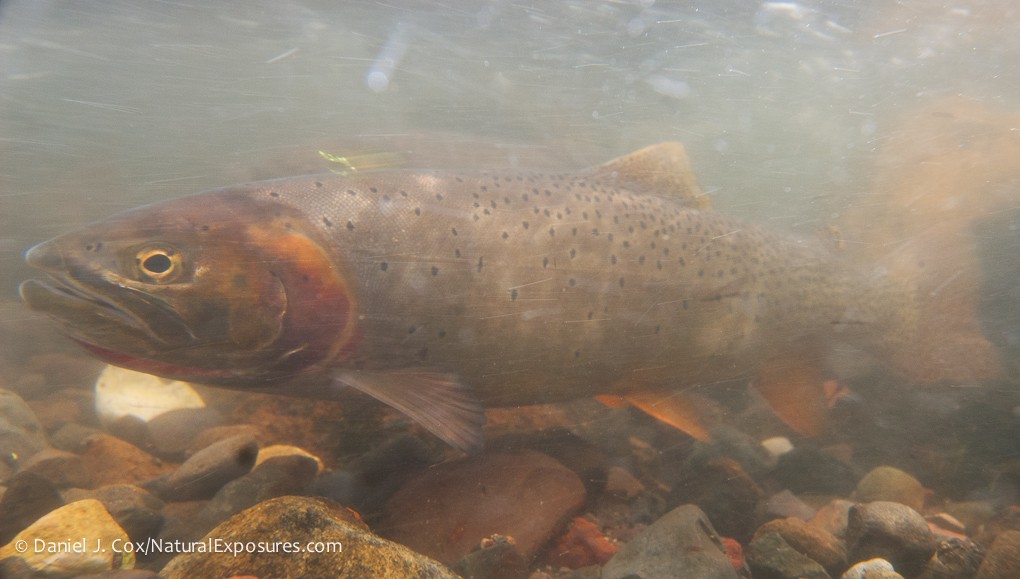
 Iconic Yellowstone cutthroat trout are mixing with introduced rainbow trout, creating a new, muddled species.
Rainbow trout were introduced to area lakes and rivers by government fishery managers to give anglers more fish to catch.
Historically, rainbow trout have stayed at lower elevations where the water is warmer, while cutthroat stuck to the cold waters higher up. But now that those cold, cutthroat-laden waters are warming up and rainbows are invading.
When the two species get together they mate and make hybrid babies—mixing up the gene pool in the process.
The study led by ecologists with the U.S. Geological Survey and published in the journal Nature Climate Change, provides what the researchers believe is the first empirical evidence of how global warming is promoting invasive hybridization.
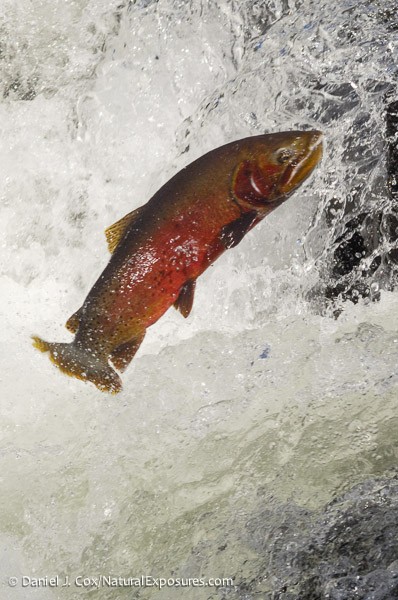
 It’s an upstream swim against global warming to keep cutthroat trout alive as a species.
Why does all this matter? A fish is a fish, right? Not quite.
“The hybrid offspring have greatly reduced fitness,” said Clint Muhlfeld, a biologist with the U.S. Geological Survey. Fitness is “their ability to produce offspring and have those offspring survive.”
The threat from introduced rainbow trout was held at bay for decades, until the climate changed, he says. “So essentially, hybridization was a time bomb waiting to go off under the right environmental conditions.”
It’s bad for biodiversity and it’s bad for Montana. Trout fishing brings tens of millions of dollars to the state. A lot of those anglers want to catch native cutthroat, but that may not be an option for long.
Do we have to say goodbye to cutthroat trout?