

A 41 megapixel micro four thirds sensor could be the new technology I’ve been hoping for to replace the ones made by Sony. One of several problems with current MFT technology is Sony builds the sensors. Sony has no incentive to make a better micro four thirds sensor. Why would they create something that would compete with their full-frame and APS-C cameras? Like I said, no incentive.
Gigajot technology to the rescue?
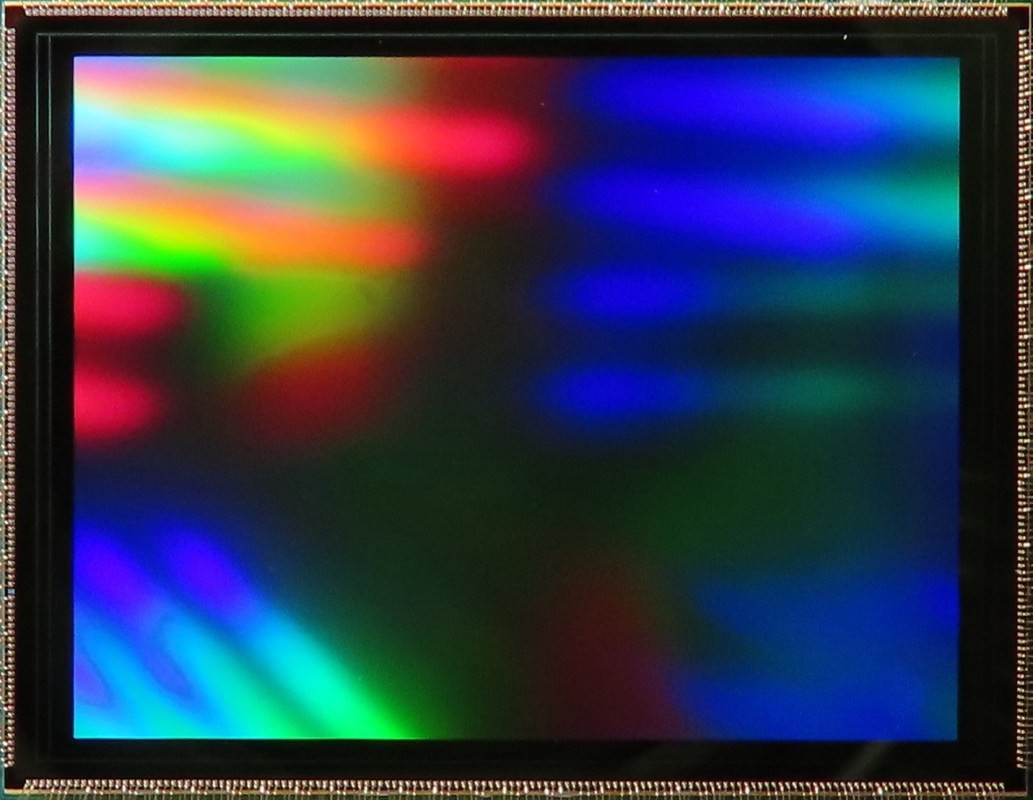
A company from California, Gigajot Technology, may have the answer. They’re a company outside the camera industry, so they don’t have their own cameras to protect. From this recent news release, Gigajot has a new sensor that’s 41 megapixels with drastically better low light performance.
Specific details
PRNewswire describes the new sensor as, “The 41 Megapixel GJ04122 sensor, which was funded in part by the National Science Foundation SBIR Program, utilizes a 2.2-micron pixel and has a read noise of only 0.35 electrons, which is significantly lower than state-of-the-art pixels of similar size. The sensor is capable of photon counting and photon number resolving up to its top speed of 30 frames per second at full resolution. The high resolution and the extremely low read noise provide flexibility for binning and additional post-processing while maintaining a read noise that is still lower than native lower resolution sensors. While pushing the limits of low light imaging, the GJ04122 sensor also offers an impressive single-exposure dynamic range of 95 dB by utilizing Gigajot’s patented high dynamic range pixel“.
Small size, large megapixels for cell phones too
There seems to be a lot going on in the small sensor world. Sony predicted recently that cell phone images will surpass traditional interchangeable lens camera photos by 2024. Yep, you heard that right. You can read more about that prediction on Petapixel. Add to that a recent story about Samsung testing a new cell phone sensor that is 200 megapixels, and you begin to think real photography may be on borrowed time.
Not sure where this is all going
Cell phone camera discussions with other photographers is typically about cell phone form factor. Most of us believe that until a cell phone has a different form factor, traditional cameras will have a place. But who knows? One thing I’ve learned in over 40+ years of photography, I don’t ever use the word Never.